

This is the Brunswick County deep dive in my Cape Fear water series. For the big-picture overview - what GenX and PFAS are and how the three counties compare - start with Water in Wilmington, NC: What Every Buyer Asks.
Brunswick County has the most dramatic water story of the three Cape Fear counties - and, for buyers, arguably the most encouraging. This is the county a 2019 Environmental Working Group study flagged as having, by far, the highest PFAS levels of 44 U.S. water systems tested. It's also the county that responded by building some of the most advanced water treatment in the country. Here's where things actually stand in 2026.
I'm a REALTOR®, not a toxicologist - everything below is sourced from public utility records, EPA guidance, and local reporting, with links throughout.
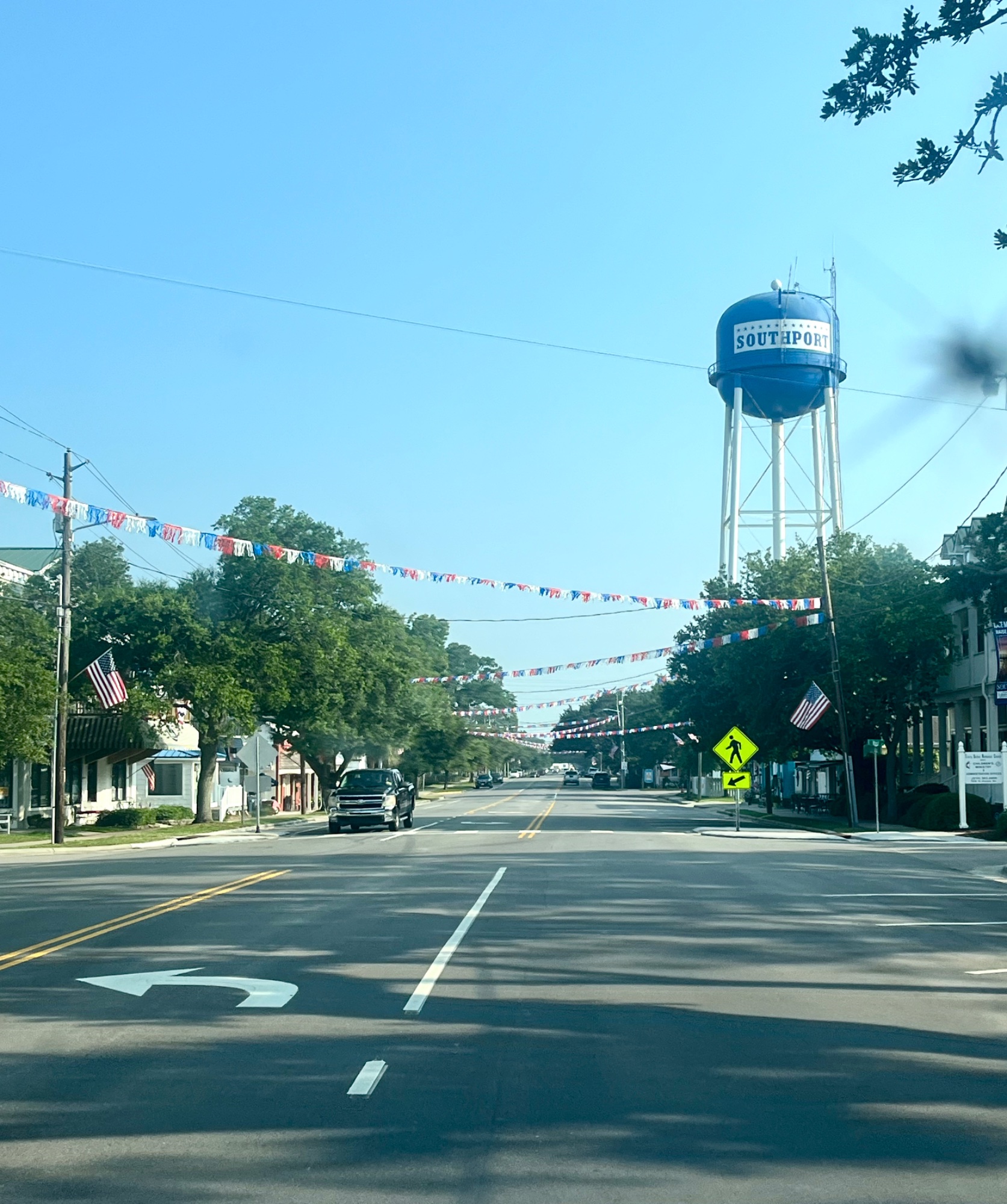
Why Brunswick Had the Worst Numbers
Geography. Brunswick County sits farthest downstream on the Cape Fear River from the Chemours Fayetteville Works plant, so everything discharged upstream flowed past its intake. And historically the county's Northwest Water Treatment Plant used conventional treatment that wasn't designed to remove PFAS. That combination is why testing once found combined PFAS well above EPA's health benchmarks. It wasn't that Brunswick did anything wrong - it inherited the worst position on the river.
The Turnaround: Two Reverse Osmosis Stories
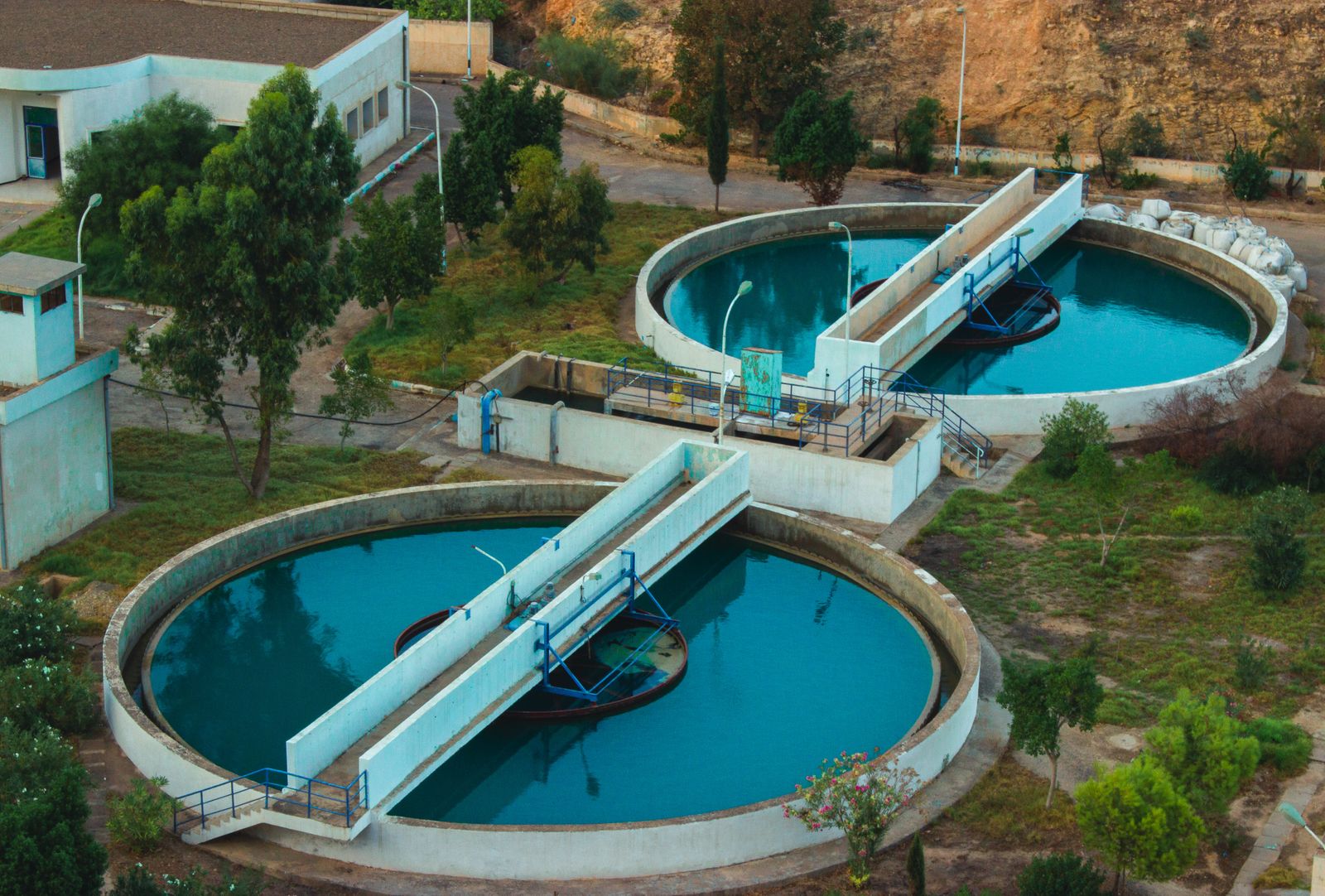
1. H2GO's Belville plant (Leland area) - already running. H2GO Brunswick Regional Water & Sewer brought a $42 million reverse osmosis plant online in May 2023. The clever part: instead of treating river water, H2GO pulls from deep aquifers 320 to 600 feet underground that aren't contaminated with PFAS in the first place, then runs it through reverse osmosis. So the water is essentially PFAS-free from the source and polished by RO. H2GO serves Leland, Belville, and parts of Navassa - great news if you're buying into the Leland housing boom.
2. Brunswick County's Northwest plant - coming fall 2026. The county is finishing a huge upgrade that adds low-pressure reverse osmosis (LPRO) to its Northwest Water Treatment Plant. Low-pressure RO is considered the most advanced method available for removing PFAS, GenX, 1,4-dioxane, and other contaminants. Once complete, county officials say it will be the second-largest reverse osmosis plant in the nation, treating more than 36 million gallons a day. The project has faced construction delays and contractor disputes that pushed completion to fall 2026 - so if you're reading this later, it's worth checking the county's project page for the latest status.
What This Means for Your Address
Brunswick actually has two water stories running side by side right now, and which one applies to you comes down entirely to where the home sits. If you're buying into the Leland/Belville area served by H2GO, you're already getting reverse-osmosis-treated water from PFAS-free aquifers - about as clean as it gets on this coast. If you're on Brunswick County's main system, which covers much of Southport, Oak Island, St. James, Bolivia, and beyond, that same gold-standard treatment is coming countywide once the Northwest plant's RO upgrade goes live in fall 2026. Check the top of the water bill on the seller's disclosure, or just ask me, so you know exactly what's coming out of the tap on day one.
A couple of situations fall outside either utility. Some coastal and rural properties in Brunswick run on private wells, and no utility treatment reaches those at all - if that's the home you're considering, add a full PFAS panel to your inspection contingency, since the standard well test won't catch it. And if you close before the county's new plant comes online, the water you're getting still meets federal standards; it's simply the older, conventional treatment rather than RO. An under-sink filter is an easy way to close that gap in the meantime.
What Buyers Can Actually Do
Filter now if you don't want to wait. An under-sink reverse osmosis unit runs $200 to $500 installed and brings PFOA, PFOS, GenX, and most other PFAS to non-detect at the tap you drink from - the simplest bridge if you're on the county system before the new plant opens. Want the whole house covered instead? A GAC system treating every fixture runs $1,500-$4,000, and it's worth pricing out if you're already remodeling.
On a well? Get it tested before you buy. A full PFAS panel isn't part of a standard well inspection, so you have to ask for one specifically. Clean Cape Fear keeps a current list of local testing resources if you need a referral.
The Bottom Line
Brunswick County's water arc is genuinely the best comeback story on the Cape Fear. The place that once had the worst PFAS numbers in the country now has an operating reverse osmosis plant in the Leland area and the nation's second-largest RO plant coming online countywide in fall 2026. If clean water technology is your priority, Brunswick is quietly becoming one of the strongest bets in the region - you just need to know which utility serves your specific address in the meantime.
House hunting in Leland, Southport, Oak Island, St. James, or anywhere in Brunswick County and want help confirming which utility serves a home - or a referral to a local water-testing lab? Reach out anytime at 910-983-8963.
Tabi Klein is a REALTOR® with Coldwell Banker Sea Coast Advantage in Wilmington, NC, serving New Hanover, Brunswick, and Pender counties. This post is informational and is not health, legal, or environmental advice. Always consult licensed professionals for testing and treatment decisions on your specific property.
Sources & Further Reading
Filed under
- water quality
- brunswick county
- leland nc
- southport
- oak island
- relocation
- buyer tips
- PFAS
- reverse osmosis
Tabetha Klein
Realtor® · Coldwell Banker Sea Coast Advantage
Tabetha has been helping buyers and sellers navigate the Wilmington, NC real estate market since 2020. She specializes in relocation, coastal properties, and first-time buyers — combining local expertise with genuine financial guidance.
Read Tabetha's full story

