

Discover downtown Wilmington, NC — historic homes, riverfront condos, the Riverwalk & a walkable urban lifestyle. Your complete neighborhood guide.
Living in Downtown Wilmington, NC: Historic Charm, River Views, and a Walkable Life Between the River and the Sea
A complete neighborhood guide from Making ILM Home — everything you need to know about calling Wilmington's historic heart home.
If you've spent any time daydreaming about Wilmington, there's a good chance downtown is what pulled you in. The brick-paved streets. The 19th-century mansions with their wraparound porches. The mile-and-three-quarter Riverwalk hugging the Cape Fear, with the Battleship NORTH CAROLINA standing guard across the water. It's the kind of place that makes people slow down on a walk and say, "Wait — could we actually live here?"
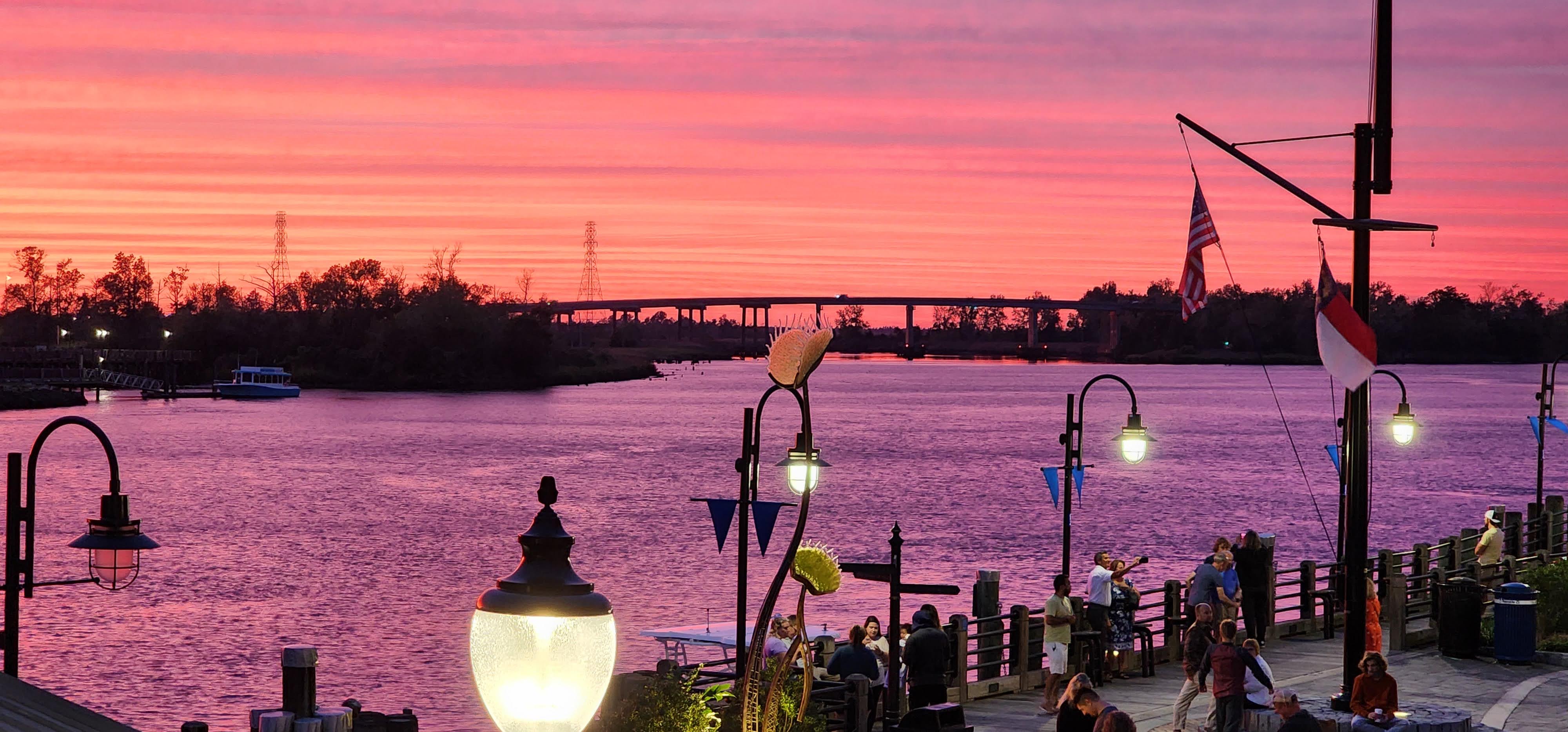
You can. And plenty of people do.
I'm Tabetha Klein, a Wilmington, North Carolina REALTOR®️. Downtown is one of the most misunderstood neighborhoods I work in. People assume it's all restaurants and tourists — but tucked just a block or two off Front Street are quiet residential streets where neighbors know each other, porch-sitting is a legitimate hobby, and your morning commute might be a five-minute walk. It's also the neighborhood with the most rules, the most history, and the most personality of anywhere in the region. So let's take the tour together.
Estimated reading time: 11 minutes
The Lay of the Land
Downtown Wilmington sits on the eastern bank of the Cape Fear River, and the historic district is genuinely large — Wilmington has one of the biggest National Register historic areas of any city its size in the country. The local historic district alone covers roughly 100 blocks, stretching from the Isabel Holmes Bridge in the north down toward Greenfield Lake in the south, and inland from the riverfront toward 15th Street
What that means for you as a buyer: "downtown" isn't one single thing. It's a collection of distinct pockets, each with its own personality.
The River District / Water Street — the riverfront strip, home to most of downtown's condos and the highest concentration of restaurants, shops, and foot traffic.
The Historic Residential District — the quiet, oak-lined blocks just east of the commercial core, full of restored Victorians, Italianates, and Craftsman bungalows.
The Brooklyn Arts District — the artsy, industrial-edged neighborhood on the north end, anchored by the Brooklyn Arts Center and home to Wilmington's first Social District.
Front Street — the spine of it all: the main commercial and nightlife corridor running parallel to the river.
The whole core is compact and genuinely walkable, which is rare in coastal North Carolina. And it's well-positioned: you're just minutes from I-40 and roughly a 20–25 minute drive to the beaches.
What It's Like to Actually Live Here
Here's the honest version of downtown life — the good and the trade-offs.
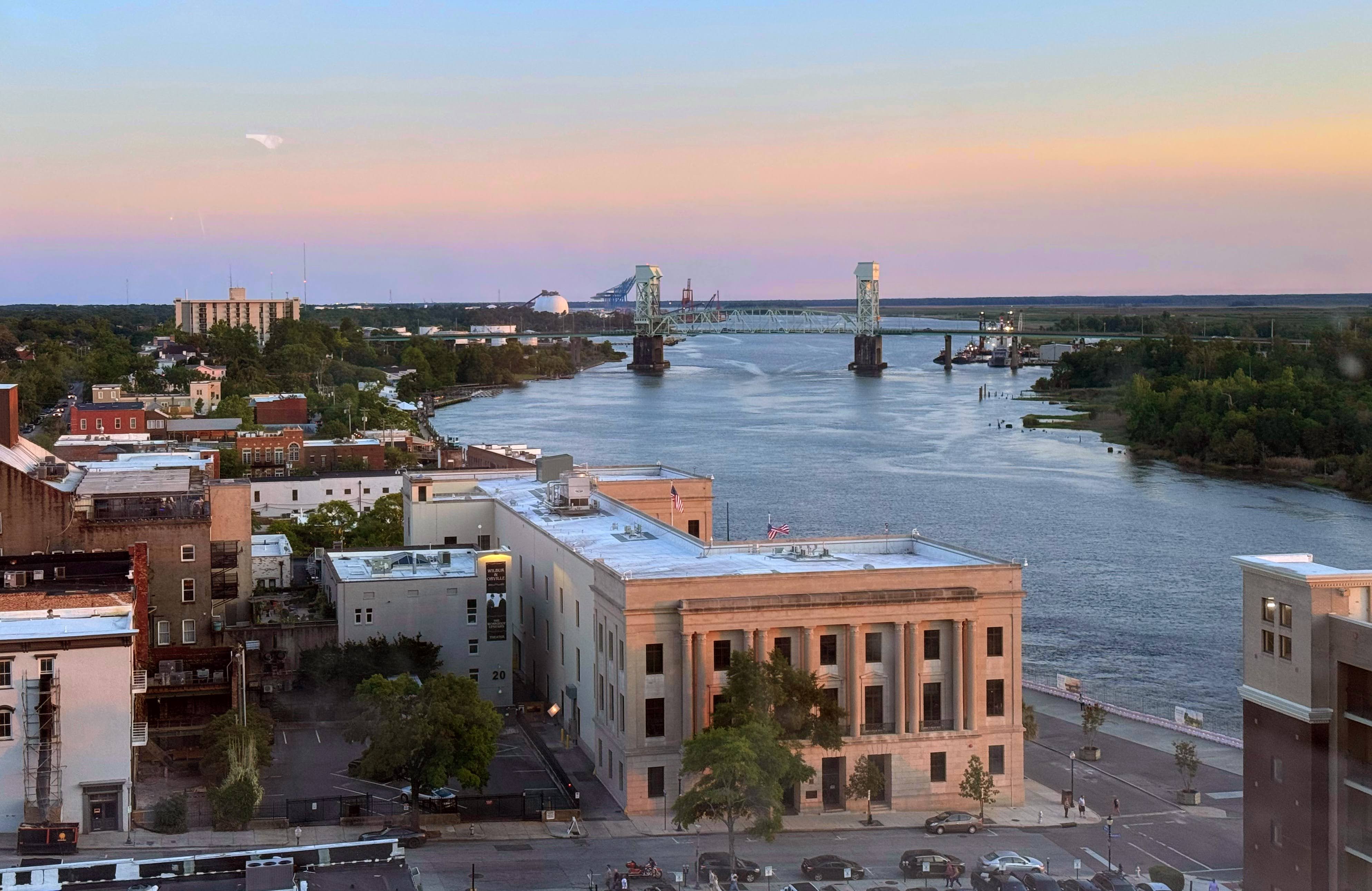
The good: You can walk to dinner. You can walk to coffee, to live music, to the farmers' market, to a riverfront sunset. Downtown is the cultural heartbeat of the entire region — breweries, art galleries, theaters, festivals, and a music scene that punches well above the city's weight. The Riverwalk is your front yard. And because Wilmington is "Hollywood East," it's not unusual to walk past a film set on your way home.
The trade-offs: Downtown living means smaller yards (or no yard at all), street parking on some blocks, and proximity to nightlife — which is wonderful on a Friday and less wonderful if your bedroom window faces a busy block. It's a lifestyle choice, and it's not for everyone. The buyers who love it really love it; the ones who don't usually want more space and quiet.
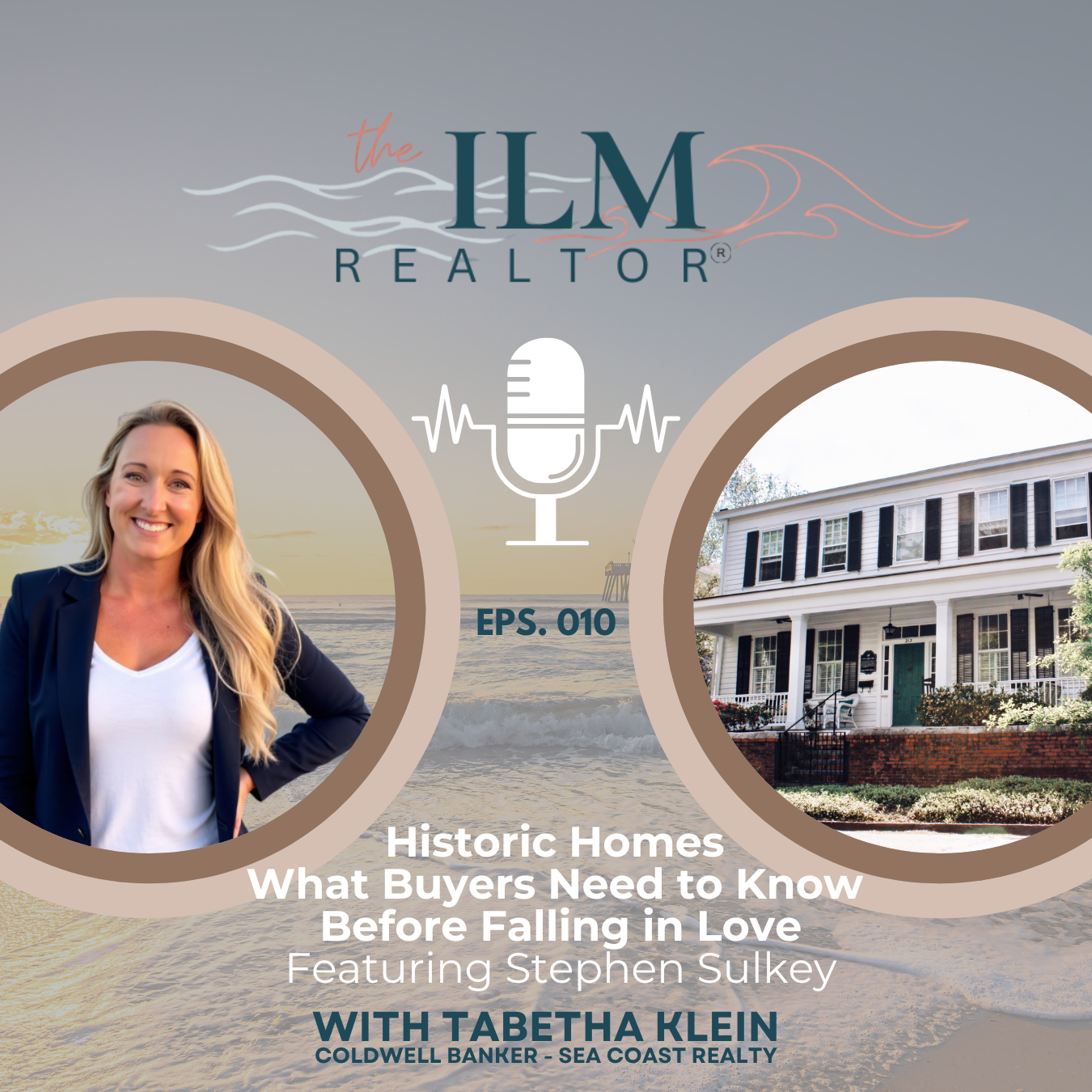
Podcast: One of the members of the Historic Preservation Commission and I sat down and talked about what it really looks like to live Downtown. Check out the entire episode on YouTube, Spotify, or Apple Podcast.
For everyday needs, downtown has a grocery store, pharmacies, medical offices, and the essentials within or near the core — though many residents still keep a short drive to Midtown in their routine for big-box shopping.
A Word You'll Hear a Lot: The Historic Preservation Commission
If you buy in the historic district, you need to know about the Historic Preservation Commission (HPC) before you fall in love with a house. This is genuinely one of the most important things I tell downtown buyers, and it's where a good agent earns their keep.
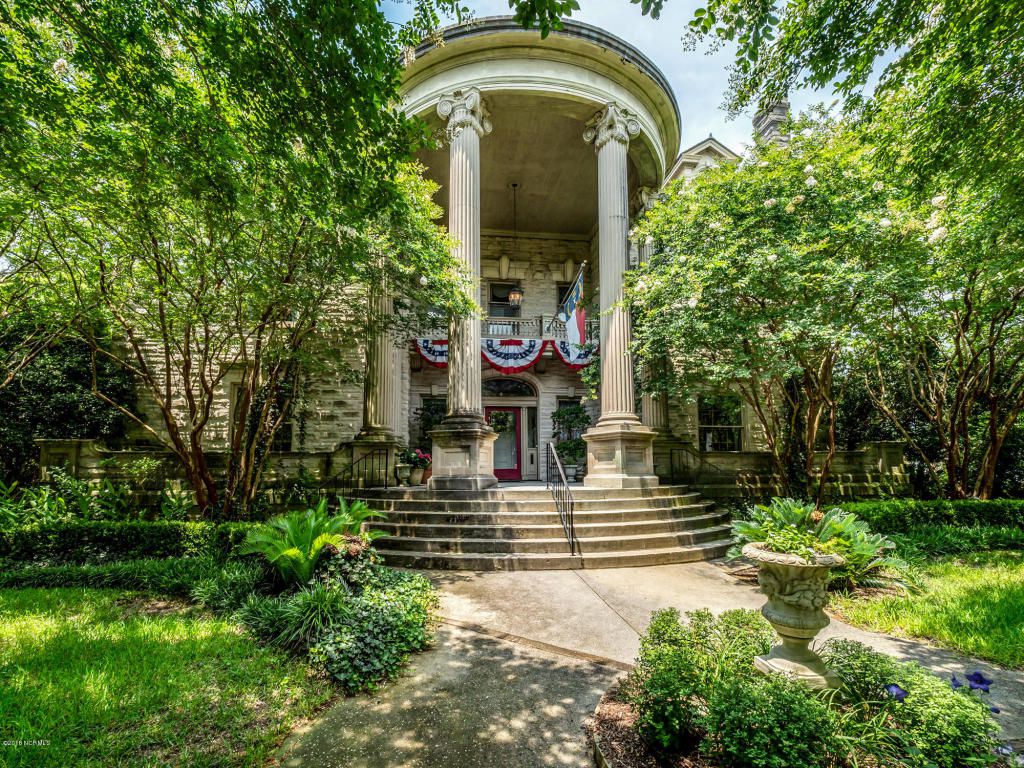
The HPC is a nine-member board appointed by the City Council to promote, enhance, and preserve the character of the Wilmington historic districts. In plain English: if your home is within a local historic district, exterior changes — windows, siding, roofing, additions, fences, even some paint and landscaping decisions visible from the street — require design review and a Certificate of Appropriateness before you can proceed.
This is not a reason to avoid downtown. It's the reason downtown looks the way it does — the reason those streetscapes are so beautiful and so well-protected. But it does mean downtown homeownership comes with a layer of process that suburban neighborhoods don't have. Renovation timelines can be longer, and material choices can be more limited.
My advice: before you make an offer on a historic-district home, understand exactly which district it's in and what's allowed. The City of Wilmington's Historic Preservation page and its interactive historic districts map are the best starting points — and I'm always happy to walk through it with you for a specific property.
Types of Homes in Downtown Wilmington
Downtown has the most architecturally diverse housing of any neighborhood in the area. Here's what you'll find.
Historic Single-Family Homes
This is the downtown dream for a lot of buyers: a restored Victorian, Italianate, Queen Anne, or Craftsman bungalow on a quiet residential block. Many of these homes date from the 1880s through the 1940s, and they range from lovingly restored showpieces to bungalows that still need work. Expect tall ceilings, heart-pine floors, transom windows, and serious character — alongside the realities of older homes (and the HPC review process noted above).
Typical price range: Roughly $450K to $1.5M+, depending heavily on size, block, level of restoration, and proximity to the river.
Riverfront & Historic Condos
Downtown is the only place in the region with a true urban condo market. Options range from sleek new-construction riverfront buildings to genuinely historic condos in converted 19th- and early-20th-century buildings. River-view units are the prize: walls of glass, sunset views over the Cape Fear, and the battleship on the horizon. Condos are also downtown's most accessible entry point.
Typical price range: Roughly $300K to $700K+.
Townhomes & Converted Lofts
Between the single-family homes and the condos sits a middle tier: townhomes and converted loft spaces, often in former commercial or industrial buildings — especially around the edges of the core and in the Brooklyn Arts District.
Typical price range: Roughly $375K to $650K+.
New Construction & Infill
As the historic district has grown more desirable, the surrounding blocks have filled in with new construction and contemporary infill — modern homes designed to be compatible with the historic streetscape. For buyers who want the downtown lifestyle without a century-old house, this is a great middle path.
Parks & Outdoor Life
Downtown's "backyard" is the river — and the public spaces along it are genuinely excellent.
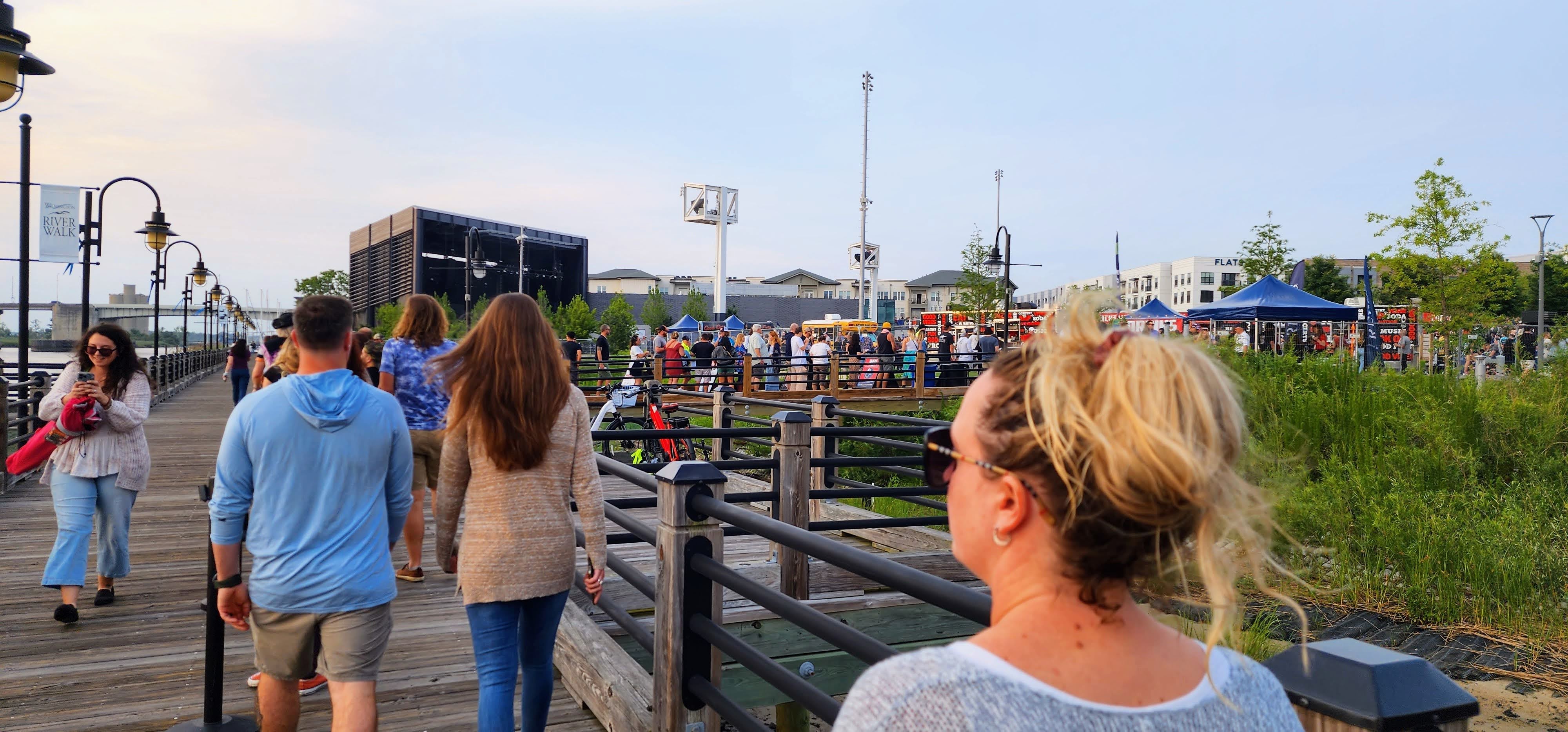
The Riverwalk — Nationally recognized and often called one of the best riverfronts in America, this nearly 1.75-mile boardwalk runs the length of the downtown waterfront. It's open 24/7, free, and it is the neighborhood's main artery for walking, jogging, people-watching, and sunsets.
Riverfront Park — A 6.63-acre waterfront park anchoring the north end, with a large plaza, playground, gardens, and trails. It's home to the Live Oak Bank Pavilion, a state-of-the-art outdoor amphitheater that brings national touring acts right into downtown.
Greenfield Lake Park — Just south of the historic district, this is a local treasure: a 5-mile loop trail around a cypress-draped lake, plus an amphitheater, gardens, and kayak rentals.
The river itself — Conlon Pier for fishing, Water Tours for river cruises, and marina access for boaters.
Schools
Downtown Wilmington is served by New Hanover County Schools, the same district covering most of the city. The district practices a degree of school choice alongside traditional address-based assignment, and downtown families have access to neighborhood schools as well as magnet and specialty programs across the county.
New Hanover High School — the district's historic high school — sits right in the downtown area and is a downtown landmark in its own right.
Because school assignments are based on your specific address and boundaries can shift, I always recommend verifying zoning for any individual property before you buy.
Information about schools is provided for reference only and does not constitute a recommendation or endorsement.
Shopping & Daily Errands
Downtown's shopping personality is boutiques over big-box. Front Street and the surrounding blocks are full of independently owned shops, art galleries, bookstores, home goods, and specialty stores — plus the historic Cotton Exchange, a collection of shops and restaurants in a beautifully preserved set of 19th-century buildings.
For everyday essentials, there's a grocery store and pharmacies in or near the core. For full-scale big-box and mall shopping, most downtown residents make the quick drive to Midtown (around 10–15 minutes) or out to the Mayfaire area, roughly 15–20 minutes away depending on traffic.
Distance to the Beach
Downtown is not a beach neighborhood — but it's a very convenient launch point to three of them.
Wrightsville Beach — roughly 20–25 minutes via Eastwood Road. The classic, polished Wilmington beach.
Carolina Beach — roughly 25–30 minutes south via Carolina Beach Road. Boardwalk, casual, family-friendly.
Kure Beach — roughly 30–35 minutes south. The quietest of the three.
That's the quiet magic of downtown: you get a true walkable-city lifestyle and you can be standing in the Atlantic in under half an hour.
Waterfront Features
Downtown's relationship with the water is different from the area's beach and Intracoastal Waterway (ICW) neighborhoods. Here, the water is the Cape Fear River — wide, tidal, and working.
Port City Marina — A full-service marina at the north end of the riverfront, handling vessels large and small.
Riverfront condo access — Many downtown condo buildings put you directly on the water, with some of the best river views in the city.
Boating culture — From downtown, you have river access out toward the ICW and the ocean beyond.
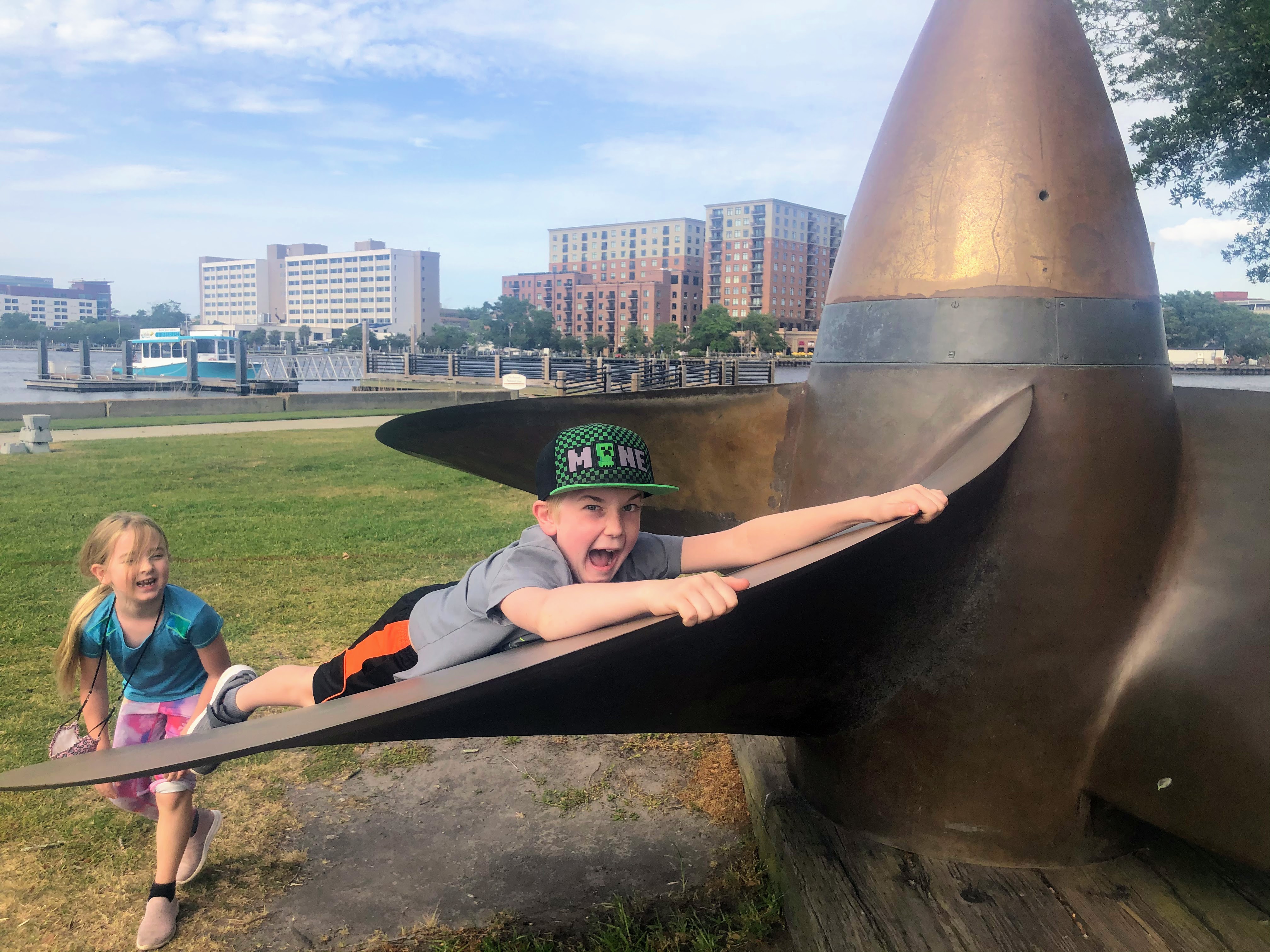
One honest note for buyers: riverfront and low-lying downtown properties may carry flood-zone and insurance considerations, and historic homes have their own maintenance realities. Always verify flood designation and insurance costs for a specific property before you commit.
The Downtown Community & Events Scene
One thing that surprises new residents: downtown has an actual, organized community engine behind it. Wilmington Downtown, Inc. (WDI) — a public-private partnership that's been at this since 1977 — focuses on keeping downtown clean, safe, economically healthy, and lively.
For anyone considering a move downtown, WDI is one of the best ways to get a feel for the neighborhood's rhythm before you ever sign a contract. Their downtown Wilmington Instagram (@wilmingtondowntowninc) is a genuinely useful, constantly updated window into new business openings, events, and what daily life downtown actually looks like.
Between WDI's calendar, the Live Oak Bank Pavilion concert season, the weekly farmers' market, the Brooklyn Arts District's Social District, gallery nights, and the festivals that take over Front Street through the year, downtown rarely has a quiet weekend.
Who Is Downtown Wilmington Perfect For?
Downtown is a lifestyle pick. After years of helping buyers in this market, here's who tends to thrive here:
Urban professionals & remote workers who want walkability, character, and a five-minute commute.
Empty nesters & downsizers trading the big suburban house for a low-maintenance riverfront condo.
Creatives & culture lovers who want to live inside the art, music, and food scene — not drive to it.
History & architecture enthusiasts who want the 1890s Victorian.
Investors drawn to the historic district's strong short-term-rental performance.
Relocators from bigger cities who miss walkable urban living.
Downtown is probably not the best fit for:
Buyers who need a big yard, a three-car garage, and lots of space.
Anyone who wants a brand-new home with zero renovation or design-review considerations.
Buyers who are noise-sensitive and want suburban quiet every night of the week.
Families specifically prioritizing large lots and a traditional suburban-school setup.
Ready to Find Your Spot in Downtown Wilmington?
Downtown isn't just a neighborhood — it's Wilmington's front porch, its history book, and its living room all at once. Whether you're dreaming of a restored Victorian on a quiet oak-lined block, a riverfront condo with sunset views, or a loft steps from the Riverwalk, downtown rewards the buyers who know what they're getting into.
And that's my job. The historic-district rules, the flood-zone questions, the difference between one block and the next — I'd love to walk you through all of it so you can fall in love with downtown and buy smart.
Drop me a line, check out the theILMrealtor podcast for more Wilmington-area insights, and let's find your home between the river and the sea.
Goose and Maple have thoroughly field-tested the Riverwalk and report that it is excellent for sniffing, squirrel surveillance, and being told they're very handsome by strangers. Four paws up.
Tabi Klein | Coldwell Banker Sea Coast Advantage — Making ILM Home
Instagram — @theILMrealtor
Podcast — theILMrealtor (available on all platforms)
Let's chat — 910-983-8963
Visit — www.makingilmhome.com
Tabetha Klein is a licensed REALTOR® with Coldwell Banker Sea Coast Advantage. Home price ranges are general estimates based on current market data as of early 2026 and are subject to change. Always consult with a licensed REALTOR® for the most current pricing in specific communities. School assignments are based on home address — I'm happy to verify for any property you're considering. Information about schools is provided for reference only and does not constitute a recommendation or endorsement. Properties within the historic district are subject to design review by the Historic Preservation Commission; renovation requirements and Certificate of Appropriateness rules are governed by the City of Wilmington and are subject to change — always verify current regulations for a specific property. Waterfront and low-lying properties may be subject to flood zone requirements and insurance considerations that should be independently verified. Each office is independently owned and operated. Equal Housing Opportunity.
Tabetha Klein
Realtor® · Coldwell Banker Sea Coast Advantage
Tabetha lives, works, and shows homes across every corner of the Wilmington area. Reach out for a personalized tour of Downtown Wilmington — in-person or virtual — and a no-pressure breakdown of what's on the market.
Learn more about Tabetha


