

with Jason Cline
Buying a home is one of the biggest financial decisions of your life — and unfortunately, it's also one of the biggest targets for fraud. In Episode 012 of the ILMrealtor Podcast, I sat down with Jason Cline, a seasoned real estate attorney at Cline Donaldson PLLC, to talk about something that doesn't get discussed nearly enough: real estate scams, wire fraud, and seller impersonation — and exactly what you can do to protect yourself. Whether you're a first-time buyer or a seasoned investor, this is a conversation you need to hear.
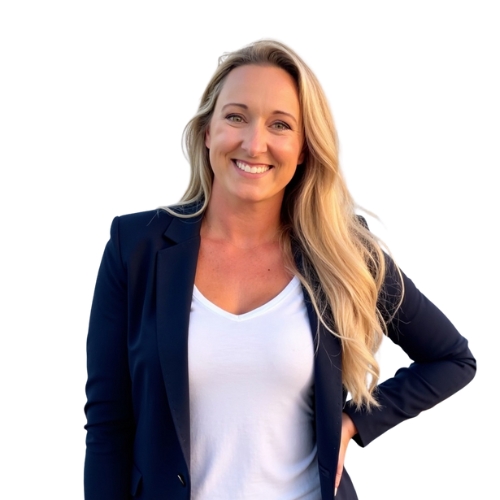
Hey friend — I'm Tabetha (Tabi) Klein, aka theILMrealtor. I help people buy and sell homes in Wilmington, North Carolina (and all over New Hanover, Brunswick, and Pender), and this one might be the most important episode we've done for protecting your money at closing.
Watch or listen: YouTube · Spotify · makingilmhome.com · @theILMrealtor
Wire Fraud: The Threat You Don't See Coming
Wire fraud in real estate is alarmingly common. Typically, a scammer intercepts email communication between a buyer, their agent, and their title company, then sends fake wire instructions directing funds to a fraudulent account. By the time anyone realizes what happened, the money is gone — and recovering it is incredibly difficult.
Jason's number one piece of advice? Always verify wire instructions by calling a trusted, known phone number before sending a single dollar. Don't call the number listed in the email — call the number you already have saved for your title company or attorney. That one extra step can save you everything.
Other protections Jason recommends:
Use a Certified Wire Transfer Verification Program through your closing attorney
Require multi-factor verification for any wire transfer
If something feels off about wire instructions — even slightly — stop and verify before proceeding
Seller Impersonation Fraud: A Growing Threat in NC
One of the most eye-opening parts of this conversation was Jason's breakdown of seller impersonation fraud. Here's how it works: a fraudster poses as the owner of a property (often a vacant lot or a home owned free and clear) and tries to sell it without the real owner ever knowing — creating fake IDs, signing fake documents, and pocketing the proceeds at closing. Remote transactions have made this even easier, which is why identity verification at closing has become more critical than ever, especially when a seller signs remotely or the property has no mortgage attached.
Red flags to watch for:
A seller who is unwilling or unable to meet in person or via verified video
Pressure to close quickly with minimal documentation
Discrepancies in signatures, IDs, or contact information
Deepfakes, AI, and the New Frontier of Real Estate Fraud
Perhaps the most sobering part of the conversation was Jason's warning that AI and deepfake technology are now being used in real estate fraud. Scammers can generate convincing fake documents, mimic voices, and even create video of fake “sellers.” As Jason put it: “Deepfake and AI scams are the new frontier.” The industry is working to catch up, but in the meantime, the best defense is a rigorous, process-driven approach to verification at every step.
Title Insurance: Your Safety Net
Jason also walked us through the importance of title insurance and how it plays into fraud protection. A clean title search can catch discrepancies before closing, and owner's title insurance provides a layer of financial protection if a claim arises after the fact. If you're buying in North Carolina, you can also use the NC Register of Deeds to independently verify ownership records for extra peace of mind.
What To Do If You Suspect Fraud
Speed matters. If you think you've been the target of wire fraud or any real estate scam, act immediately:
Contact your bank and request a wire recall right away
Notify your title company, attorney, and real estate agent
File a report with the FBI Cyber Crime Division
Alert local law enforcement
“Speed is critical if a scam is detected,” Jason said. Every hour counts when trying to recover wired funds.
About our guest: Jason Cline (Cline Donaldson)
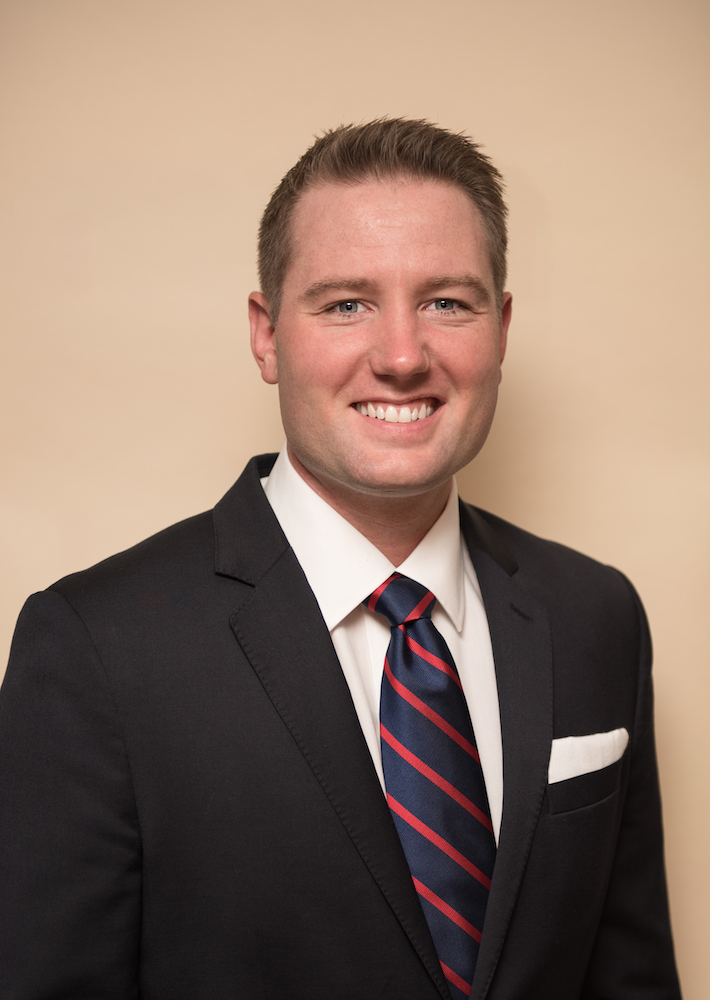
Jason Cline is a real estate attorney at Cline Donaldson PLLC, serving clients across North Carolina. If you have questions about protecting your transaction or need legal guidance, reach out:
Website: clinedonaldson.com
Email: goforcline@gmail.com
Phone: (910) 902-1920
Let's Talk About Your Next Step
If you're buying or selling in Wilmington and want a team that takes your security seriously from contract to closing, I'd love to help. Call or text me at 910-983-8963, visit www.makingilmhome.com, or DM me on Instagram @theILMrealtor.
Tabi | Making ILM Home — REALTOR® • Coldwell Banker Sea Coast Advantage • 910-983-8963 • www.makingilmhome.com • @theILMrealtor
This podcast is for general education and local insight, not legal advice. If you suspect fraud, contact your bank, attorney, and law enforcement immediately, and consult a licensed attorney about your specific situation. Coldwell Banker Sea Coast Advantage. Each office is independently owned and operated. Equal Housing Opportunity.
Filed under
- ILMrealtor Podcast
- Wilmington NC real estate
- wire fraud
- real estate scams
- title insurance
- Jason Cline
- Cline Donaldson

Tabetha Klein
Realtor® · Coldwell Banker Sea Coast Advantage
Tabetha has been helping buyers and sellers navigate the Wilmington, NC real estate market since 2020. She specializes in relocation, coastal properties, and first-time buyers — combining local expertise with genuine financial guidance.
Read Tabetha's full story

