

Homeowners Insurance & Flood Zones in Coastal Wilmington: What to Check Before You Buy
Here's something I tell every buyer moving to the coast: insurance is part of your true monthly cost of owning here, and it works differently than it might have where you're coming from. It's not scary — it's just something to understand before you're under contract, not after. So let's walk through it together.
One important note up front: I'm a REALTOR®, not a licensed insurance agent. Nothing here is an insurance quote or advice on what coverage to buy — it's a plain-English overview so you know what to ask. For actual coverage and pricing, you'll work with a licensed insurance professional.
The three coverages people mix up
In coastal Carolina, "insurance" can actually mean a few different policies:
Homeowners insurance — your main policy, covering the structure and belongings for things like fire and theft.
Wind (and hail) coverage — near the coast, windstorm damage is sometimes separated out or handled differently than a standard inland policy. It's worth confirming exactly how a given home's wind risk is covered.
Flood insurance — a separate policy, usually through the National Flood Insurance Program (NFIP) or a private flood insurer. Standard homeowners policies typically do not cover flood damage.
The big "aha" for a lot of relocating buyers is that last one: flood is its own thing, and whether you're required to carry it depends largely on the property's flood zone.
Flood zones, in plain English
FEMA maps every property into a flood zone. You don't need to memorize the letters, but here's the gist:
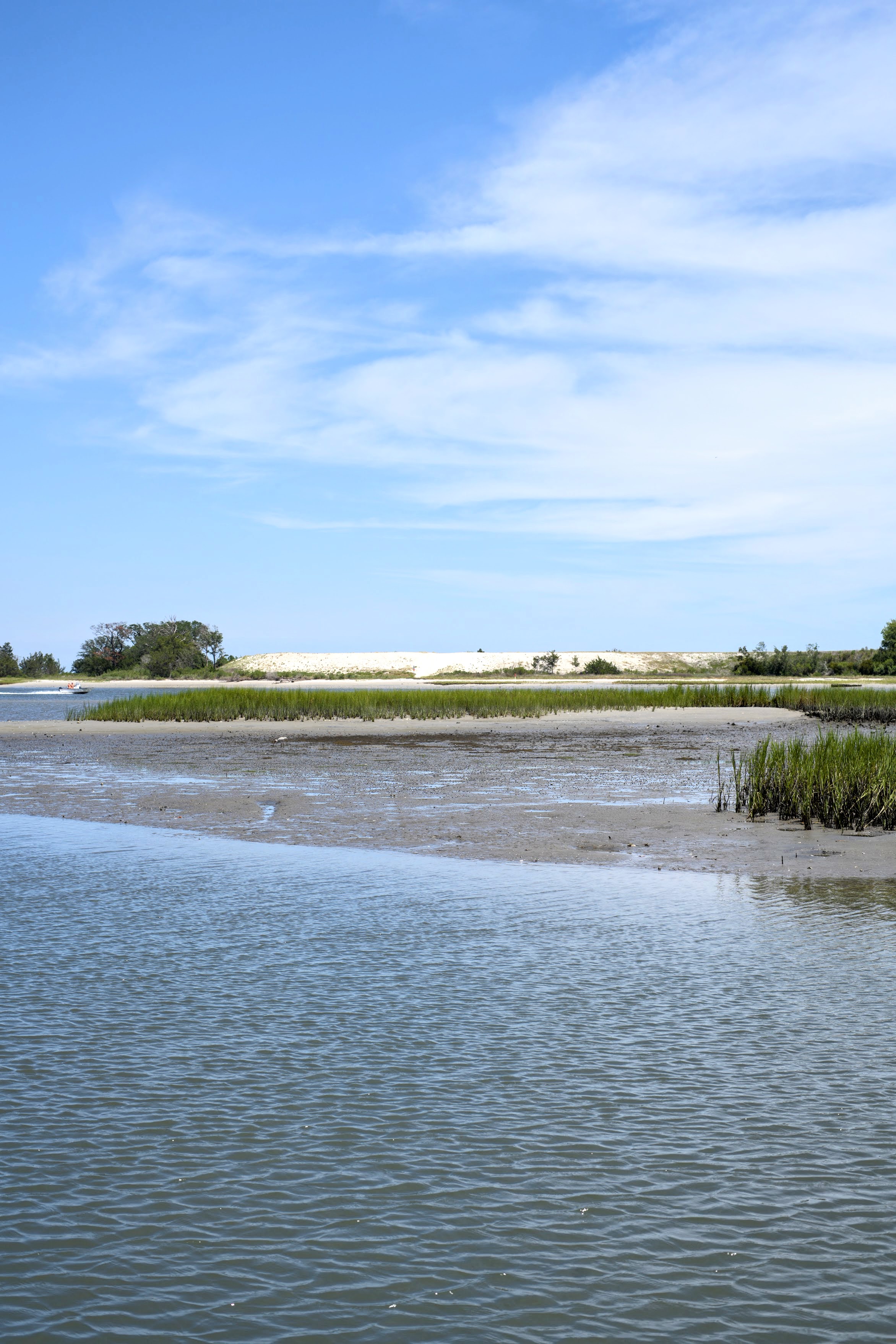
High-risk zones (the ones starting with A or V) are considered special flood hazard areas. If you have a federally backed mortgage on a home here, your lender will generally require flood insurance.
Moderate-to-low-risk zones (like X) don't usually carry that requirement — though plenty of people in these zones still choose to carry flood coverage, because it's often more affordable there and flooding doesn't strictly follow the map lines.
Two homes on the same street can sit in different zones, and elevation matters a lot. That's why I always encourage buyers to check the specific property rather than assume based on the neighborhood.
How to look it up yourself
FEMA Flood Map Service Center (msc.fema.gov) lets you enter an address and see its flood zone.
An elevation certificate (if the home has one) tells an insurer how high the structure sits relative to the base flood elevation — which can significantly affect flood premiums.
Your insurance agent can pull quotes for a specific address, which is the only way to know real numbers.
🎥 Want to see this explained on video?
I've walked through this on my YouTube channel — sometimes it's easier to see how flood zones and coastal coverage work than to read about them.
The questions to ask before you buy
What flood zone is this specific property in, and is flood insurance required?
Is there an elevation certificate on file?
How is wind/hail coverage handled for this home, and at what cost?
What have recent insurance quotes looked like for this address (not just the neighborhood)?
Has the property had prior claims (a CLUE report can help here)?
Getting real quotes early — ideally during your due-diligence period — means no surprises later. I always build this into my buyers' timeline so the full cost of a home is clear before we're too far down the road.
Let's plan for it together
Coastal living is absolutely worth it — you just want to go in with clear eyes on the numbers. I'm happy to connect you with trusted local insurance agents and make sure we check flood zones early on any home you're serious about.
Text or call me, Tabi, at 910-983-8963, or reach out through www.makingilmhome.com. Let's find your home between the river and the sea — the smart way.
Tabetha Klein is a licensed REALTOR® with Coldwell Banker Sea Coast Advantage. This article is for general educational purposes only and is not insurance advice or a quote. Coverage requirements, availability, and pricing vary by property and are determined by licensed insurers and lenders — always consult a licensed insurance professional for your specific situation. Each office is independently owned and operated. Equal Housing Opportunity.
Filed under
- Home Buying
- Insurance
- Flood Zones
- Wilmington NC
- Coastal
Tabetha Klein
Realtor® · Coldwell Banker Sea Coast Advantage
Tabetha has been helping buyers and sellers navigate the Wilmington, NC real estate market since 2020. She specializes in relocation, coastal properties, and first-time buyers — combining local expertise with genuine financial guidance.
Read Tabetha's full story

