

Buying at the Beach: Primary Home vs. Second Home vs. Investment Property
Dreaming of a place near the water at Wrightsville, Carolina Beach, or Kure Beach? Wonderful — me too, honestly. But here's something a lot of buyers don't realize until we start: how you plan to use a beach property changes almost everything about how you buy it. The same house can be a primary home, a second home, or an investment — and each path has different financing, insurance, and tax implications.
Let's untangle the three so you know which conversation to have with your lender and CPA. (And yes — I'm a REALTOR®, not a lender, CPA, or insurance agent, so treat this as orientation, not advice. The specifics belong with those professionals.)
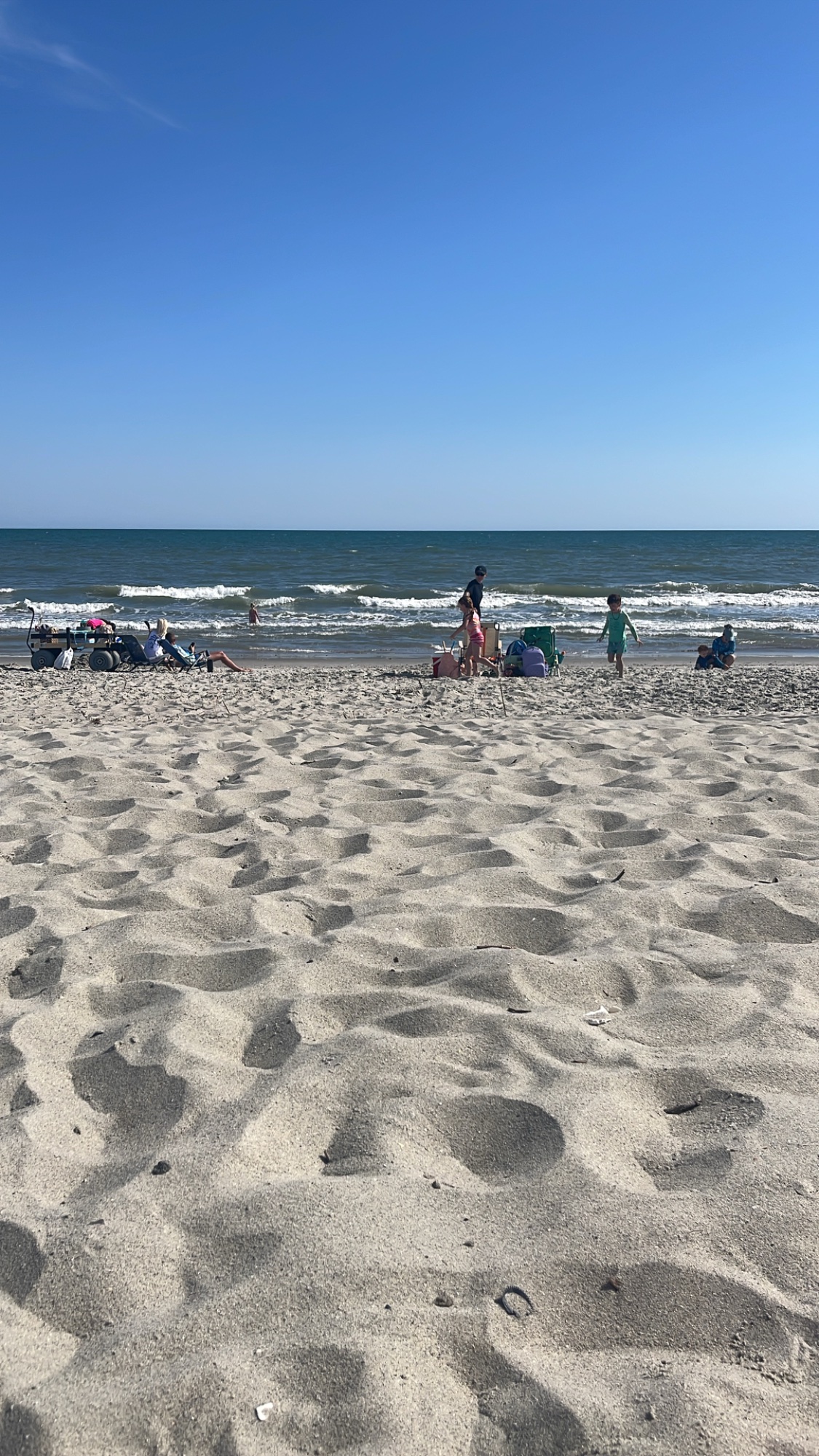
Wide sandy beach on a bluebird North Carolina day — the lifestyle a beach purchase is really buying.
1. Primary residence
This is a home you'll live in most of the year — your actual address.
Financing: primary homes usually get the most favorable loan terms and down-payment options, because lenders see them as lower risk.
Insurance: standard owner-occupied coverage (plus the coastal wind/flood considerations we talk about in my insurance & flood zones post).
Taxes: as your main home, it may qualify for certain owner-occupant benefits — your CPA can walk you through what applies in NC.
Best for: people actually relocating to the coast full-time.
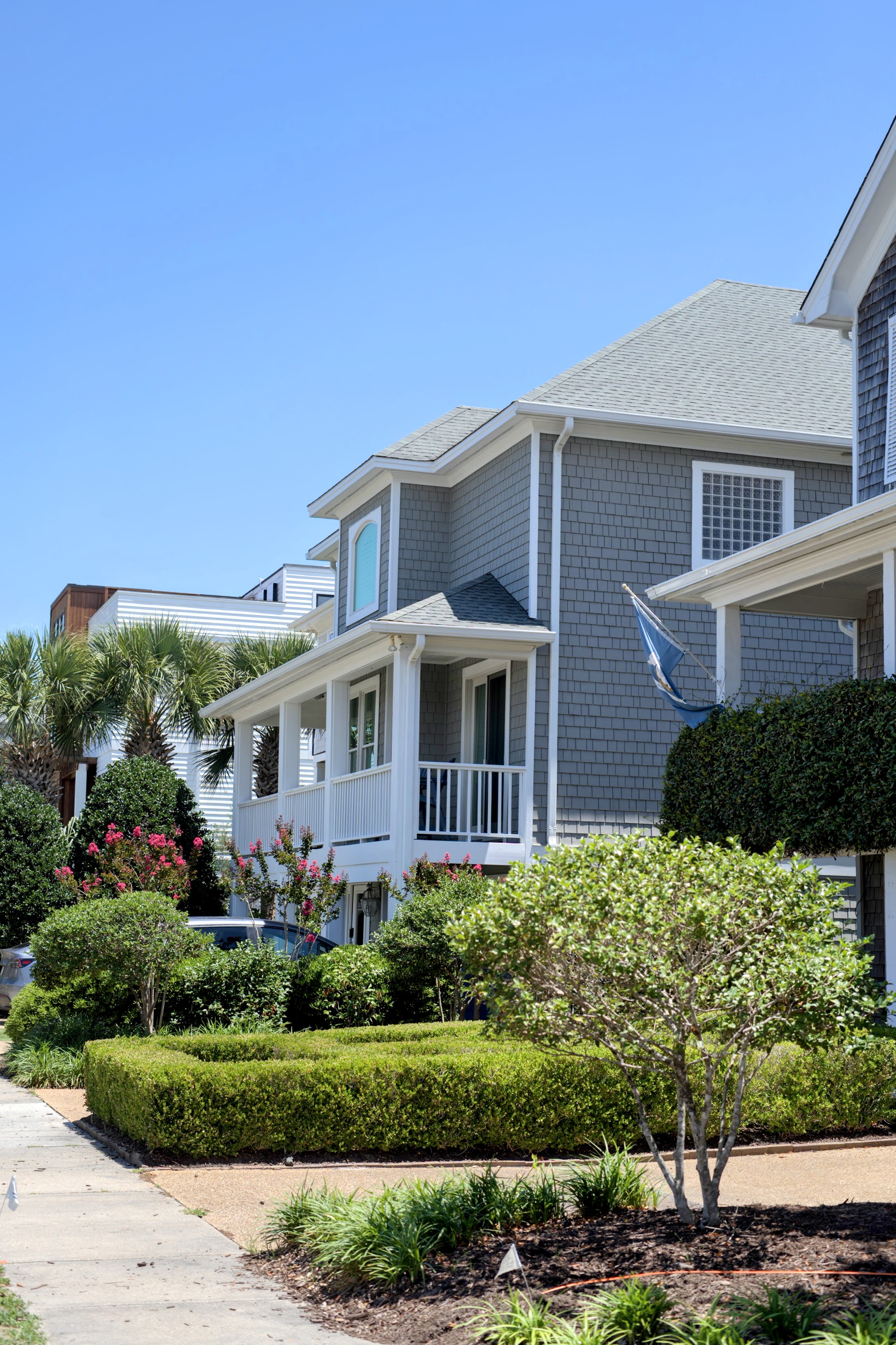
The kind of home you'd actually live in every day — not just visit on weekends.
2. Second home / vacation home
A place you'll use personally — weekends, summers, holidays — but that isn't your primary address.
Financing: second-home loans are common, but typically expect a larger down payment and slightly different terms than a primary. Lenders usually require that you use it and that it's not a full-time rental.
Insurance: may cost more than a primary, especially a coastal property that sits empty part of the year.
Taxes: the rules around personal use vs. any rental use get nuanced fast — definitely a CPA conversation.
Best for: buyers who want their own escape and maybe occasional personal use, without running it as a business.
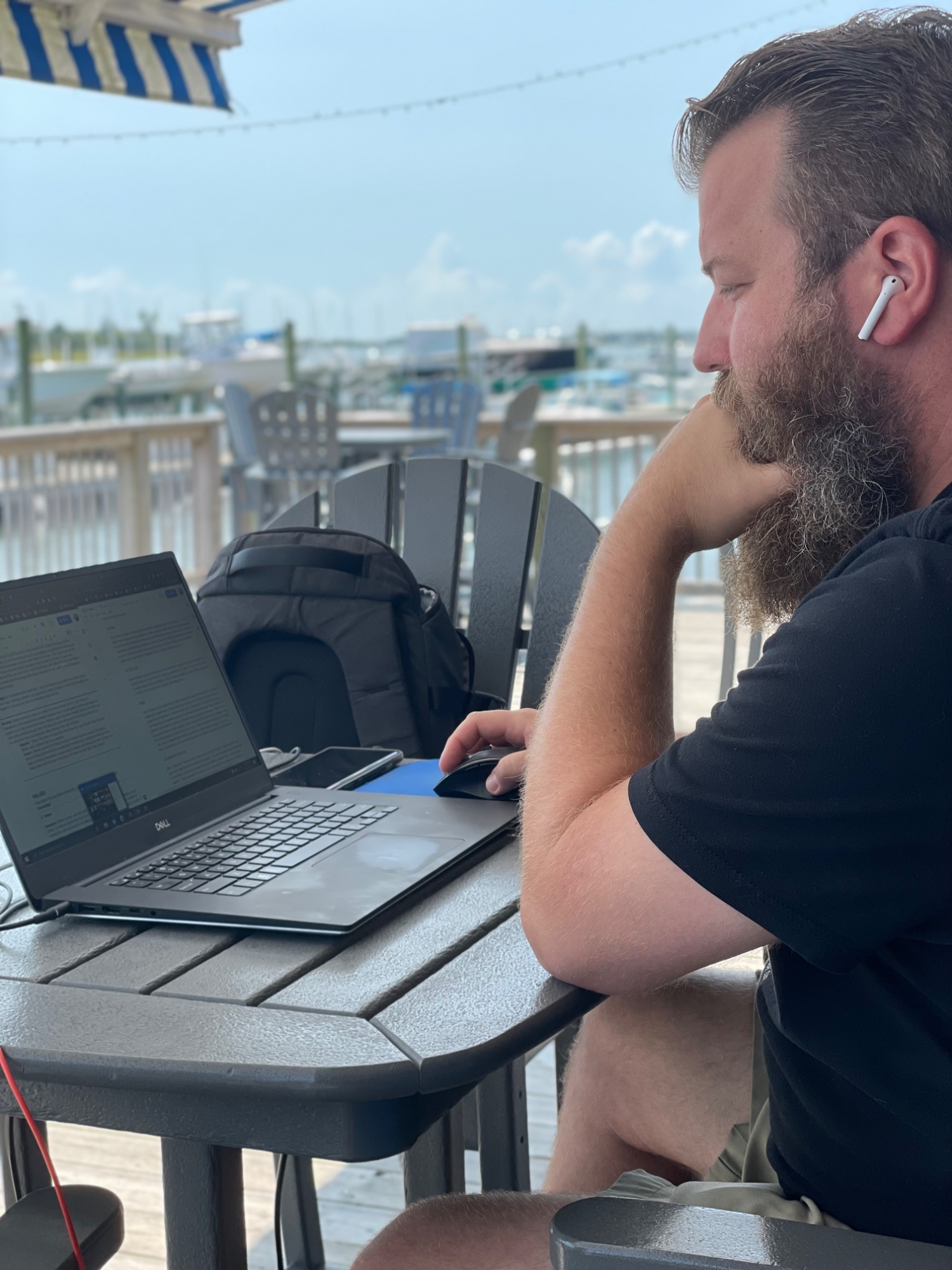
Working remotely by the marina — a big draw for second-home and investment buyers on the coast.
3. Investment / rental property
A property you buy primarily to rent out — whether long-term or as a short-term vacation rental.
Financing: investment loans generally carry the highest down-payment and rate requirements of the three, because they're considered the highest risk.
Insurance: landlord or short-term-rental policies differ from owner-occupied coverage.
Taxes: rental income, expenses, and depreciation all come into play — this is very much CPA territory.
Local rules matter a lot: short-term rental regulations vary by town and even by neighborhood or HOA. Wrightsville Beach, Carolina Beach, and Kure Beach each have their own rules, and some communities restrict rentals entirely. Always verify what's allowed for a specific property before you count on rental income.
Best for: buyers focused on returns who've done the homework on rental rules and run realistic numbers.
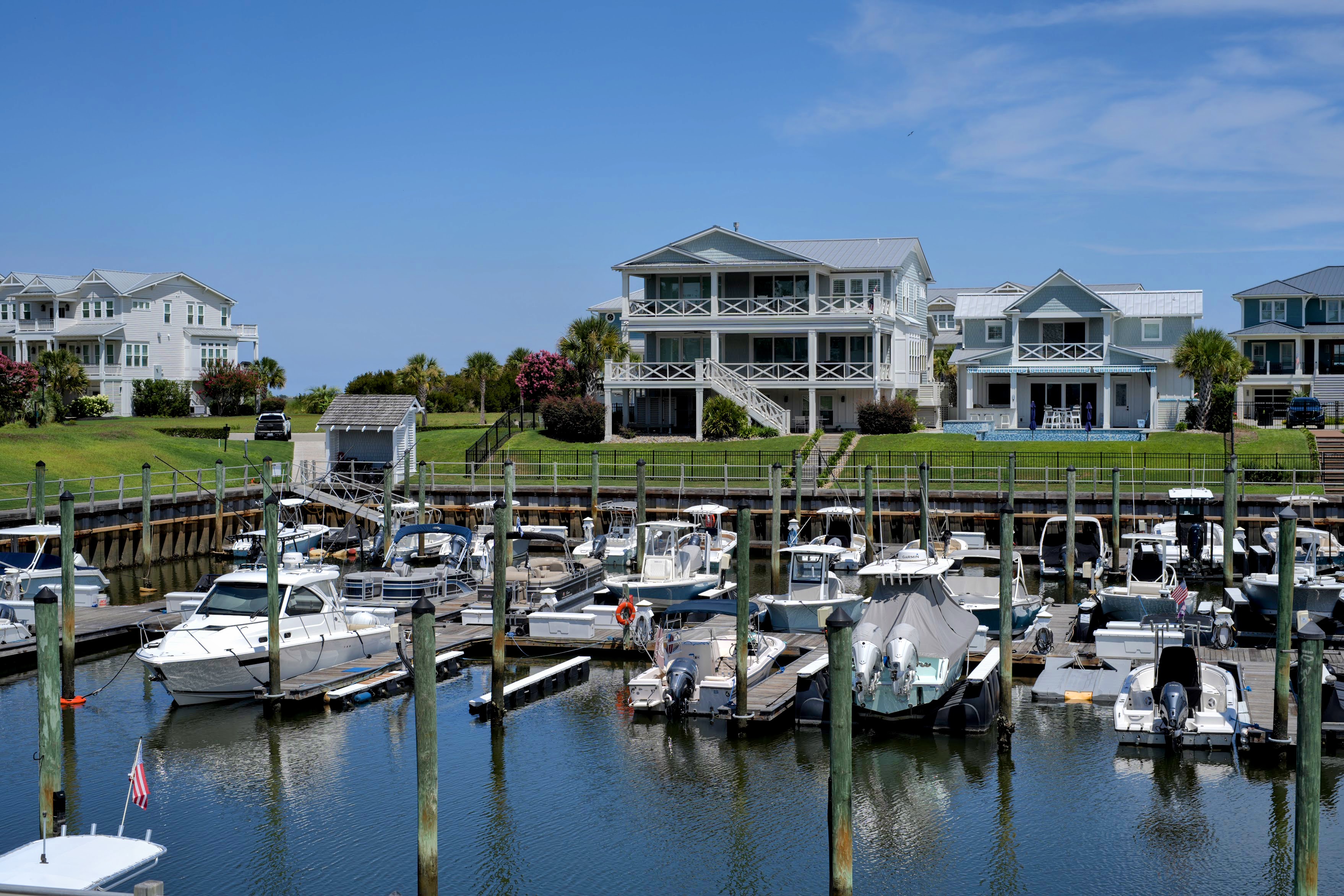
Rental-ready waterfront homes like these are popular short-term-rental investments — but always verify local STR rules before you buy.
Why sorting this out first saves you headaches
Every one of these paths starts with the same house but a different game plan. If you tell your lender "second home" but plan to rent it out full-time, or you assume a beach cottage can be a short-term rental when the town says otherwise, you can end up with the wrong loan, the wrong insurance, or a plan that doesn't pencil out. Getting clear on the use up front lets your whole team — lender, CPA, insurance agent, and me — point you at the right property from day one.
Let's figure out your beach plan
Tell me how you picture using the place, and I'll help you shape a search around it — and connect you with a lender, CPA, and insurance agent so the numbers are real before you fall in love with a view.
Text or call me, Tabi, at 910-983-8963, or reach out through www.makingilmhome.com. Let's find your spot between the river and the sea.
Tabetha Klein is a licensed REALTOR® with Coldwell Banker Sea Coast Advantage. This article is for general educational purposes only and is not lending, tax, insurance, or legal advice. Loan terms, tax treatment, insurance, and short-term-rental rules vary by property, lender, and jurisdiction and change over time — consult the appropriate licensed professionals and verify local regulations for any specific property. Each office is independently owned and operated. Equal Housing Opportunity.
Filed under
- Home Buying
- Beach Property
- Investment
- Wilmington NC
- Second Home

Tabetha Klein
Realtor® · Coldwell Banker Sea Coast Advantage
Tabetha has been helping buyers and sellers navigate the Wilmington, NC real estate market since 2020. She specializes in relocation, coastal properties, and first-time buyers — combining local expertise with genuine financial guidance.
Read Tabetha's full story

