

HOA Fees in Wilmington's Master-Planned Communities: What They Cover & What to Ask
Some of the most popular places to land in the Wilmington area — Brunswick Forest, Riverlights, Landfall, and many more — are master-planned communities, and most come with a homeowners association (HOA). New buyers often ask me the same two things: "What am I actually paying for?" and "Why is one community's fee so different from another's?" Great questions. Let's break it down.
As always: I'm a REALTOR®, and I won't quote you specific dues here, because they change and vary widely by community and home type. Nothing here is legal or financial advice — it's a framework so you know what to look at and ask.
What HOA fees typically cover
An HOA collects dues from owners to maintain shared spaces and provide community services. Depending on the community, that can include:
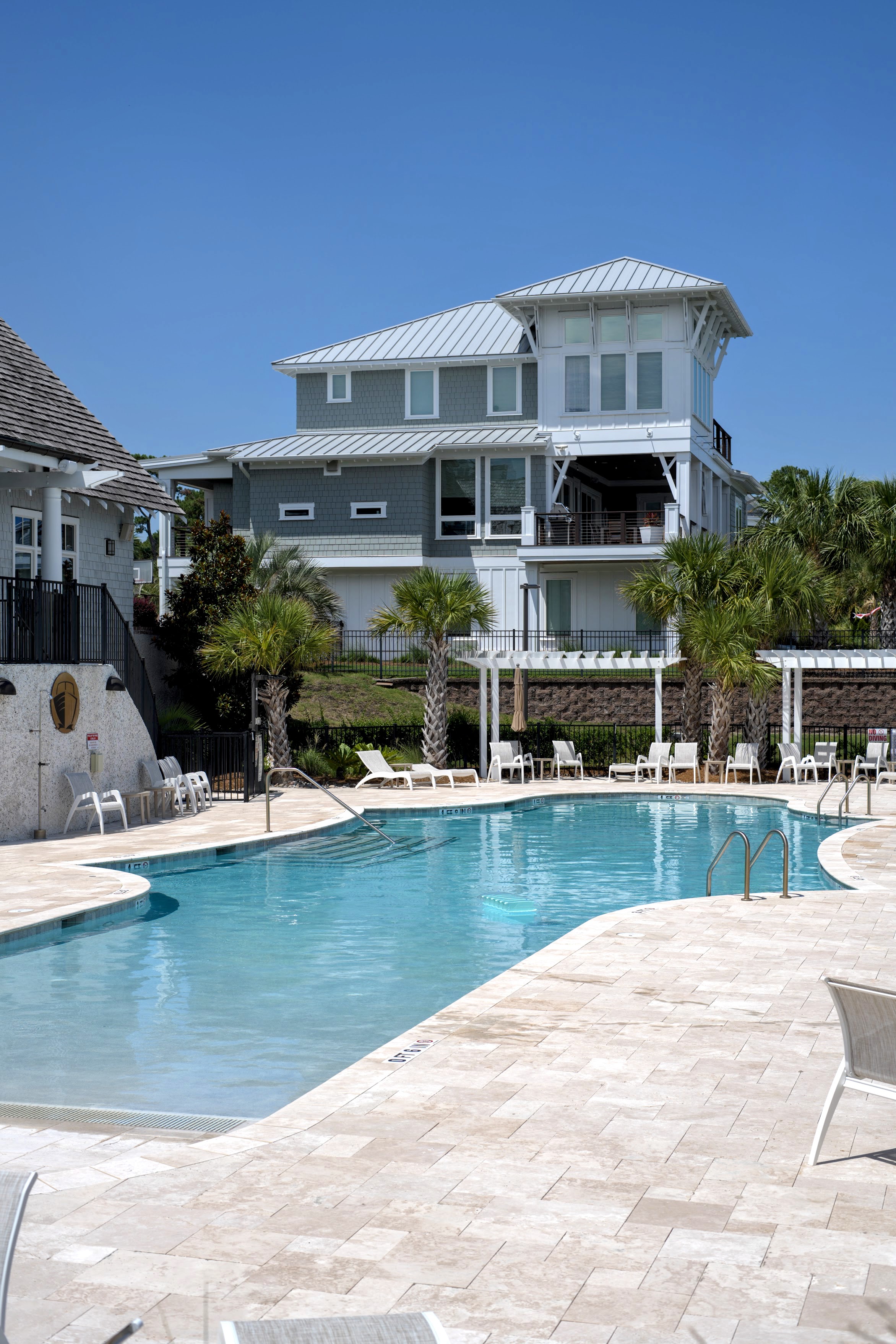
Amenities — pools, fitness/wellness centers, clubhouses, tennis and pickleball, trails, and sometimes golf (though golf is often a separate membership).
Common-area upkeep — landscaping of shared spaces, entrance features, ponds, and street medians.
Some services — in certain communities, things like trash, security or a gate, or even some exterior maintenance.
Reserves — a portion set aside for big future repairs (roofs on shared buildings, repaving, etc.).
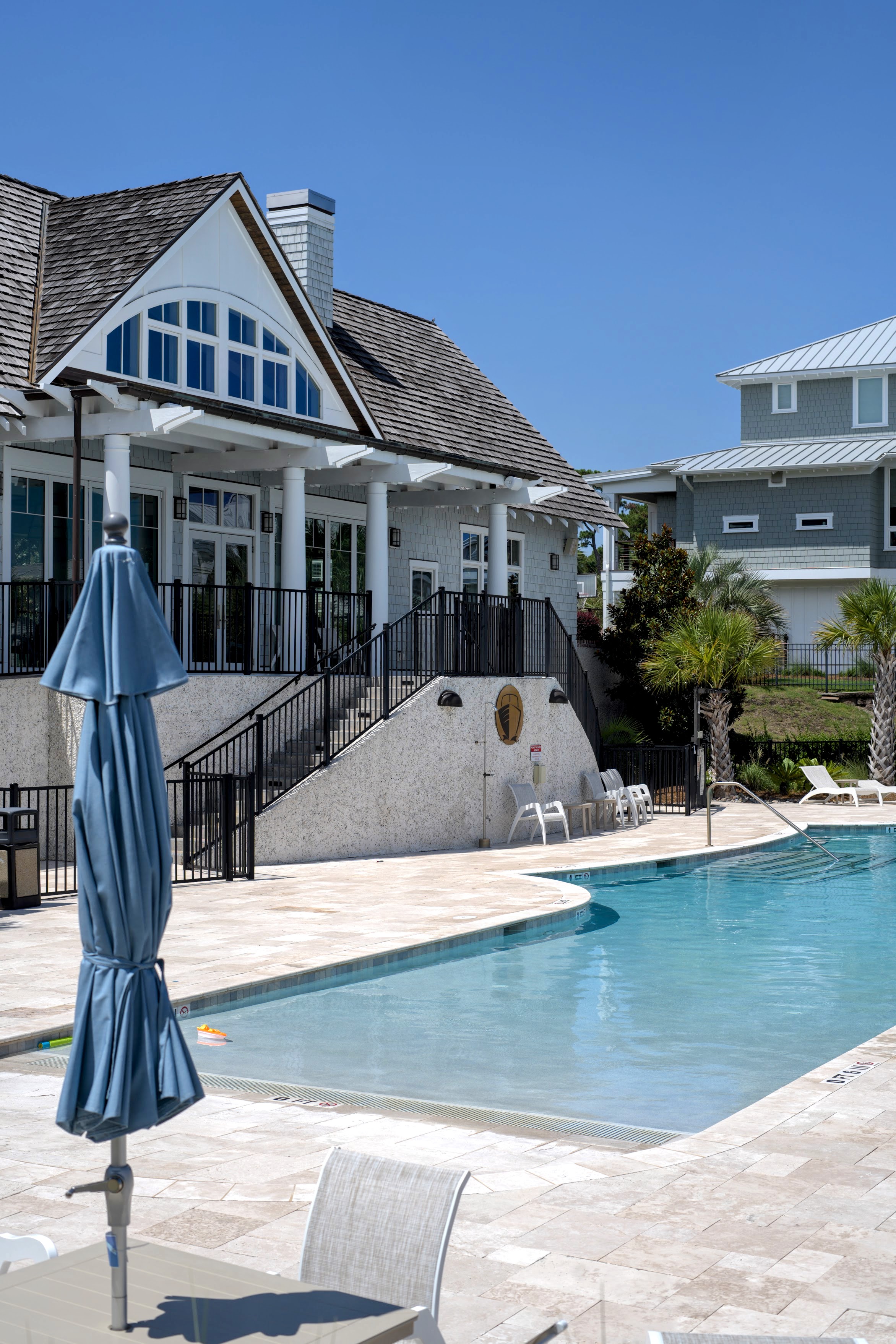
The more a community offers — and the more it maintains on your behalf — the higher the dues tend to be. A gated golf community with a full amenity center will generally cost more than a smaller neighborhood with just a pool and some green space. Neither is better; they're different lifestyles at different price points.
Why fees vary so much
A few things drive the difference:
Amenity level — more amenities, more to maintain.
What's bundled — a higher fee that includes lawn care or trash can actually be a better value than a lower fee where you pay those separately.
Single-family vs. townhome/condo — attached homes often have higher dues because the HOA maintains more of the exterior.
Age and reserves — newer communities may still be building reserves; established ones may have special considerations.
Special assessments — occasional one-time charges for big projects, on top of regular dues.
The questions to ask before you buy
Whenever a home is in an HOA, I help my buyers dig into:
How much are the dues, and how often are they charged (monthly, quarterly, annually)?
Exactly what's included — and what's not (is golf separate? trash? lawn?).
How often have dues increased in recent years?
Are there any planned or recent special assessments?
How healthy are the reserves? (This matters for avoiding surprise assessments.)
What are the rules (CC&Rs) — rental restrictions, exterior changes, pets, parking? Especially important if you're considering renting the home out.
In North Carolina you'll typically receive HOA documents to review during your due-diligence period — that's your window to read the fine print, and I make sure my buyers actually use it.
The bottom line
An HOA isn't a good or bad thing — it's a trade-off. For many buyers, especially those relocating, a well-run HOA is a huge perk: amenities, curb appeal, and a lot less to personally maintain. The key is knowing exactly what you're paying for so it fits your budget and your lifestyle.
Want to compare a few communities side by side? That's one of my favorite things to help with. Text or call me, Tabi, at 910-983-8963, or reach out through www.makingilmhome.com.
Tabetha Klein is a licensed REALTOR® with Coldwell Banker Sea Coast Advantage. This article is for general educational purposes only and is not legal or financial advice. HOA dues, coverage, reserves, and rules are set by each association and change over time — always review the current governing documents and financials for any specific community before making a decision. Each office is independently owned and operated. Equal Housing Opportunity.
Filed under
- Home Buying
- HOA
- Wilmington NC
- Master-Planned Communities
- Relocation

Tabetha Klein
Realtor® · Coldwell Banker Sea Coast Advantage
Tabetha has been helping buyers and sellers navigate the Wilmington, NC real estate market since 2020. She specializes in relocation, coastal properties, and first-time buyers — combining local expertise with genuine financial guidance.
Read Tabetha's full story

